
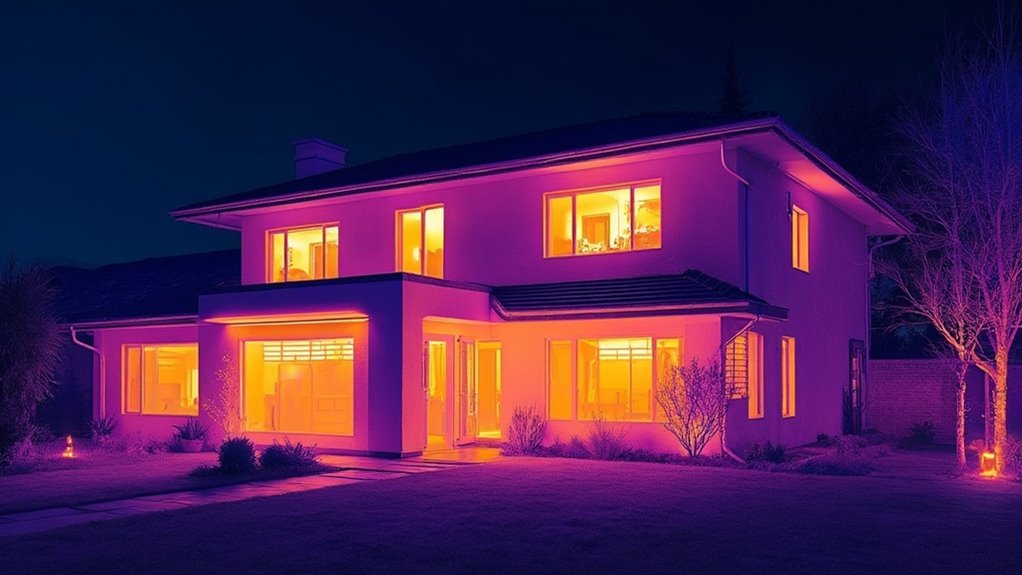
A home energy audit can greatly boost your property's value whilst reducing your carbon footprint and utility costs. Professional assessors examine your insulation, heating systems, and potential air leaks using specialised equipment like infrared cameras. You'll receive detailed insights about energy efficiency improvements that typically yield 60-80% returns on investment and can increase market value by 2-8%. Understanding the full scope of energy assessments reveals powerful opportunities for both environmental and financial gains.
What Is a Home Energy Audit and Why It Matters
A home energy audit serves as a thorough evaluation of your dwelling's energy consumption, efficiency, and potential areas of waste.
During the audit process, certified professionals examine your home's insulation, air leaks, heating and cooling systems, and overall energy usage patterns to identify where you're losing energy and money.
The energy audit benefits extend far beyond immediate cost savings. You'll gain valuable insights into your home's environmental impact whilst discovering specific improvements that can reduce your carbon footprint.
Think of it as your home's wellness check-up, revealing hidden issues that affect both comfort and efficiency.
The Cost-Benefit Analysis of Professional Energy Assessments
Professional energy assessments typically cost between £150-450, whilst the long-term financial benefits often outweigh this initial investment. Your cost analysis will reveal significant energy savings through targeted improvements identified during the audit.
| Assessment Area | Potential Annual Savings |
|---|---|
| Air Sealing | £150-275 |
| Insulation | £200-400 |
| HVAC Systems | £225-350 |
| Windows/Doors | £125-250 |
Most homeowners recover their assessment costs within the first year through reduced utility bills. Beyond immediate savings, you're also investing in your property's future value. The detailed report received helps prioritise improvements based on their return on investment, allowing you to make informed decisions about energy upgrades that align with your budget and environmental goals.
Key Areas Examined During an Energy Audit
During an extensive home energy audit, professional assessors methodically evaluate several critical areas of your property to identify energy inefficiencies and potential improvements.
They'll begin with a thorough insulation assessment of your walls, loft, and crawl spaces, utilising infrared cameras to detect heat loss and air leaks that might be invisible to the naked eye.
Your windows and doors receive careful scrutiny for draughts and seal integrity, whilst a detailed HVAC inspection reveals the efficiency of your heating and cooling systems.
The assessors will examine your water heater's performance and check all ductwork for leaks or poor connections.
They'll also analyse your lighting systems, appliances, and electrical usage patterns to create a complete picture of your home's energy consumption.
This systematic evaluation helps pinpoint where you're losing energy and money.
Common Energy Efficiency Issues Revealed Through Audits
Professional energy audits frequently uncover a consistent pattern of efficiency problems that plague many households across different climate zones. You'll discover that insulation gaps in your loft and walls are among the most common culprits, allowing precious heated or cooled air to escape. Appliance inefficiencies also contribute considerably to energy wastage.
| Problem Area | Impact | Solution |
|---|---|---|
| Air Leaks | 20-30% energy loss | Draught-proofing, caulking |
| Duct System | 15-25% HVAC waste | Sealing, insulating ducts |
| Old Appliances | 10-50% excess usage | Upgrade to energy-efficient models |
Your home's energy performance often suffers from these fundamental issues, but they're typically fixable once identified. Understanding these common problems helps you prioritise improvements and make informed decisions about energy-saving investments.
How Energy Improvements Boost Market Value
As homeowners increasingly prioritise sustainability, energy-efficient improvements can considerably boost your property's market value.
Studies show that homes with superior energy efficiency features command 2-8% higher selling prices compared to standard properties. One finds that modern buyers actively seek properties with lower utility costs and reduced environmental impact.
Current market trends indicate that investments in energy-efficient upgrades, such as enhanced insulation, high-performance windows, and smart thermostats, typically deliver a return on investment of 60-80%.
Your property's value increases further when you can document specific energy savings through utility bills and energy audit reports.
Additionally, energy-efficient homes often spend less time on the market, as they attract environmentally conscious buyers who recognise the long-term financial benefits of reduced energy consumption.
Return on Investment for Energy Upgrades
Whilst calculating energy upgrade returns requires careful analysis, most home improvements offer predictable payback periods and measurable cost savings.
One finds that investments in insulation typically pay for themselves within 3-5 years through reduced heating and cooling costs.
Installing energy-efficient windows can return one's investment within 10 years, whilst solar panels often achieve payback in 5-7 years.
Property investments in LED lighting and programmable thermostats deliver the quickest returns, usually within 1-2 years.
When upgrading to energy-efficient appliances, one notices immediate reductions in utility bills, with complete cost recovery in 3-4 years.
Smart home technologies, though requiring higher initial outlays, generate substantial energy savings through automated temperature control and usage optimisation, typically paying for themselves within 4-6 years.
Certifications and Ratings That Impact Property Worth
Energy efficiency certifications greatly boost property values in today's environmentally conscious property market. When you obtain recognised energy certifications and property ratings, you're investing in your home's future marketability. Studies show that certified properties command 4-8% higher resale values.
| Certification | Impact Level | Value Increase |
|---|---|---|
| ENERGY STAR | High | 5-8% |
| LEED | Premium | 6-10% |
| HERS Rating | Moderate | 3-6% |
You'll find that these certifications serve as third-party validation of your home's performance. ENERGY STAR certification remains the most widely recognised, whilst LEED certification carries premium status. The Home Energy Rating System (HERS) provides a thorough energy performance score that buyers increasingly favour. These ratings become powerful marketing tools when you're ready to sell your property.
Finding Qualified Energy Auditors in Your Area
The path to obtaining these valuable certifications begins with selecting a qualified energy auditor in your local area.
You'll want to focus on finding professionals who understand your region's unique climate challenges and building characteristics. Local resources like your utility company, regional energy office, and community sustainability programmes can connect you with certified experts.
When evaluating auditor qualifications, look for these essential credentials:
- Certification from recognised bodies such as the Chartered Institution of Building Services Engineers (CIBSE) or National Energy Services (NES)
- Documented experience performing thorough home energy assessments
- Knowledge of local building regulations and energy efficiency standards
- Professional indemnity insurance and references from recent clients
Your chosen auditor should demonstrate technical expertise whilst being able to explain complex energy concepts in understandable terms, making your path to energy efficiency both informative and achievable.
Frequently asked questions
How Long Does a Typical Home Energy Audit Take to Complete?
A home energy audit typically ranges from 2-4 hours, though timing factors such as your property's size and complexity can extend it. One finds it's a thorough process examining every energy-related aspect of your dwelling.
Can I Perform a Basic Energy Audit Myself Without Professional Help?
DIY energy audits can be performed at home by inspecting windows, doors and insulation for draughts, checking appliance efficiency and implementing simple cost-saving measures. However, professional audits provide more thorough, technical assessments.
Are Energy Audit Findings Legally Required to Be Disclosed When Selling?
Most states in the US do not require disclosure of energy audit findings when selling property; however, being transparent about these results can build trust and strengthen your position during negotiations. It is advisable to check your local authority's disclosure requirements for specifics, as regulations may vary by region.
Will Renovations After the Audit Require Additional Permit Applications?
You'll need to check whether your post-audit renovations require new permits, as permit requirements vary by local authority and project scope. Contact your local council's building control department to align renovation timelines with current regulations.
Do Weather Conditions Affect the Accuracy of Energy Audit Results?
Yes, weather conditions can considerably impact your audit accuracy. You'll get the most reliable results during moderate temperatures, as extreme heat or cold can mask your home's true energy performance patterns and thermal behaviour.