
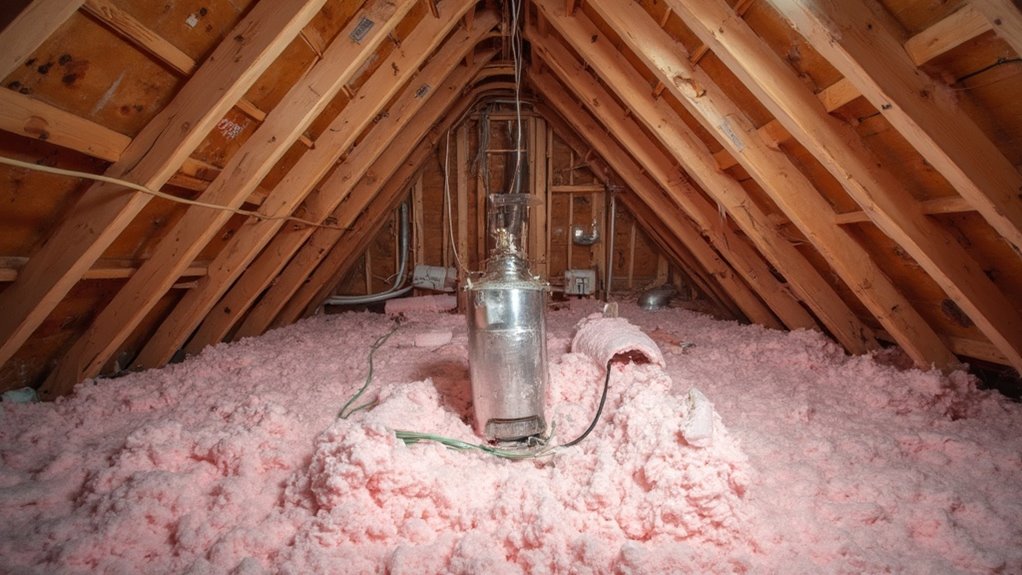
When seeking top local experts for weatherproofing and insulation, you’ll want to verify their professional certifications, regulatory credentials, and proven track record in your local area. Compare at least three certified contractors who offer comprehensive services like thermal imaging, air sealing, and eco-friendly materials. Quality providers should deliver detailed energy assessments, follow local building regulations, and provide warranties ranging from 5-25 years. Your journey towards an energy-efficient home begins with understanding these essential qualifications and services.
Finding Certified Weatherproofing Contractors in Your Area
When seeking a qualified weatherproofing contractor, your first step should be to verify their professional certifications and local expertise.
Start by consulting trusted local contractor recommendations through established building associations and neighbourhood networks. You’ll want to ensure your chosen professional understands just how changeable the UK weather can be.
Schedule consultations with at least three certified contractors who can assess your home’s unique needs. During these meetings, they should discuss their experience with various weatherproofing techniques, including vapour barriers, sealants, and drainage solutions.
Ask for detailed portfolios of similar projects they’ve completed. Remember to request references from recent clients who’ve experienced a full seasonal cycle with their weatherproofing improvements.
This careful vetting process helps ensure you’ll partner with a contractor who truly understands your home’s requirements.
Essential Qualifications to Look for in Local Insulation Experts
Professional insulation experts require specific credentials that go beyond basic construction knowledge.
When choosing a local expert, you’ll want to verify their expertise in modern insulation materials and installation techniques. Look for specialists who maintain current certifications and demonstrate a deep understanding of building science principles.
- Valid local authority licensing and insurance coverage specific to insulation work
- Documented experience with various insulation materials, including environmentally-friendly options
- Proven track record of proper installation techniques and quality control measures
- Advanced training in building envelope systems and energy efficiency, ideally EPC qualified
Your chosen expert should also stay current with evolving industry standards and environmental regulations.
They’ll need to understand British climate conditions and how different insulation solutions perform in your specific region’s weather patterns.
Services Offered by Professional Weatherproofing Companies
Leading weatherproofing companies deliver extensive solutions that protect buildings from moisture, air infiltration, and thermal loss.
One will find these professionals implement advanced insulation techniques, including spray foam applications, fibreglass batting installation, and radiant barrier systems that shield your property from temperature extremes.
Through eco-friendly weatherproofing methods, they seal your building envelope using sustainable materials and energy-efficient solutions.
Their services typically encompass moisture barrier installation, window and door weatherstripping, crawl space encapsulation, and thorough air sealing.
One benefits from specialised treatments like foundation waterproofing and loft ventilation optimisation.
Many companies now offer thermal imaging assessments to identify vulnerable areas, ensuring targeted solutions for your specific needs.
They assist in selecting materials and approaches that align with both environmental consciousness and long-term durability.
Cost Comparison of Top-Rated Local Insulation Specialists
Understanding local insulation costs requires careful analysis of varying price points amongst top-rated specialists. When you’re comparing quotes, you’ll find that costs typically differ based on your home’s specific needs and the insulation materials selected.
Local experts often compete by offering diverse cost saving strategies that align with your budget whilst maintaining quality standards.
- Premium fibreglass installation ranges from £1.20 to £2.80 per square metre
- Spray foam services average £2.40 to £5.60 per square metre
- Cellulose installation costs between £1.60 and £3.20 per square metre
- Energy audit packages start at £120 but often include rebates
- Multi-room insulation projects qualify for bulk pricing discounts
Your choice of contractor should balance cost-effectiveness with proven expertise, ensuring your investment yields maximum energy efficiency and home comfort throughout changing seasons.
Customer Reviews and Success Stories From Local Projects
Real-world experiences from satisfied homeowners offer compelling evidence beyond mere cost comparisons.
You’ll find that local success stories consistently highlight dramatic improvements in home comfort and energy efficiency. Local clients report up to 40% reduction in utility bills after professional weatherproofing and insulation upgrades.
Project highlights from your neighbours showcase remarkable transformations. The Wilson family’s 1960s detached house achieved ideal temperature balance after adding spray foam insulation in their walls and loft.
The Thompsons eliminated cold spots in their Victorian home through strategic draught-proofing. Customer satisfaction rates soar highest when contractors take time to explain the science behind their solutions.
You’ll notice that the most compelling reviews emphasise not just the technical expertise, but also the care taken to protect gardens and natural surroundings during installation.
Energy Assessment and Home Inspection Services
Before any weatherproofing work begins, a thorough energy assessment reveals exactly where your home loses heat and wastes energy.
Our certified inspectors utilise advanced thermal imaging and blower door tests to identify hidden issues affecting your home comfort and energy efficiency.
- Extensive air leakage detection around windows, doors, and foundations
- Detailed insulation analysis in walls, lofts, and crawl spaces
- Scientific measurement of your home’s overall thermal performance
- Advanced infrared scanning to locate temperature inconsistencies
- Professional evaluation of heating system efficiency and ductwork
You’ll receive a detailed report outlining specific areas needing improvement, along with customised recommendations for enhancing your home’s performance.
This data-driven approach guarantees that subsequent weatherproofing investments target the most critical areas, maximising your return on energy-saving improvements.
Seasonal Timing for Weatherproofing and Insulation Work
While each season presents unique opportunities for home improvements, strategic timing of weatherproofing and insulation work can considerably impact both project efficiency and cost-effectiveness.
You’ll find that late summer and early autumn are ideal seasons for most weatherproofing projects, as mild temperatures allow proper curing of sealants and adhesives.
Spring presents another prime window for insulation upgrades, when you can address winter damage whilst preparing for summer’s heat.
You’ll maximise weatherproofing benefits by scheduling loft insulation during cooler months, while cellar and crawl space work is best tackled during drier periods.
If you’re planning exterior caulking or weather stripping, aim for temperatures above 4°C with minimal humidity.
Permits and Local Building Codes for Insulation Projects
Understanding your local building regulations forms the foundation of any successful insulation project, as these codes guarantee both safety and compliance.
You’ll need to navigate building permits and insulation regulations before starting any major weatherproofing work on your property.
- Check with your local council’s building control department for specific thermal requirements based on your climate zone.
- Obtain necessary permits before installing or replacing insulation in walls, lofts, or crawl spaces.
- Verify that your chosen insulation materials meet fire safety standards and building regulations.
- Ensure your contractor is registered and familiar with local building regulations.
- Keep all permits and inspection documentation for future reference.
When planning your project, remember that different local authorities have varying requirements.
Your local council’s building control department can provide detailed guidance on permit applications and scheduling necessary inspections to ensure your insulation work meets all standards.
Warranty and After-Service Support From Local Providers
Local insulation providers offer more than just installation services – they provide extensive warranty packages and ongoing support that safeguard your investment.
You’ll find that reputable contractors back their work with thorough warranty terms, typically covering both materials and labour for periods ranging from 5 to 25 years.
When selecting a provider, you’ll want to examine their service guarantees closely.
Look for companies that offer annual inspections, responsive customer support, and clear documentation of their warranty coverage.
The best local providers maintain detailed records of your installation and respond promptly to any concerns about your insulation’s performance.
They’ll work with you to address issues like settling, moisture ingress, or thermal efficiency changes, ensuring your home maintains peak comfort and energy efficiency throughout the warranty period.
Frequently asked questions
How Long Does a Typical Home Weatherproofing Project Take to Complete?
A home’s weatherproofing project timeline typically ranges from 1-5 days, though installation factors such as your property’s size, current condition, and scope of works can extend the duration for more thorough protection.
Can Pets Stay in the House During Insulation Installation?
For your pets’ safety, you’ll need to relocate them whilst insulation installation procedures are carried out. The dust, fibres, and chemicals can irritate their sensitive respiratory systems. Consider arranging temporary pet care elsewhere.
Will Weatherproofing Materials Affect My Home’s Indoor Air Quality?
Proper ventilation systems are necessary to manage indoor air pollutants from weatherproofing materials. Whilst some products may temporarily affect air quality, they will settle within days when you have maintained good airflow throughout your home.
Are Eco-Friendly or Recycled Insulation Materials Available in My Area?
Several eco-friendly options exist for your home, including recycled denim, cellulose from newspapers, and wool insulation. These sustainable materials are readily available through local green building suppliers throughout the UK. Do enquire at your nearest builders’ merchant or specialised eco-construction centre to check current stock levels.
How Often Should Insulation and Weatherproofing Be Replaced or Maintained?
You’ll want to check your insulation lifespan every 15-20 years, though annual maintenance helps spot issues early. Your weatherproofing needs attention every 5-7 years, particularly in areas exposed to harsh weather conditions.