
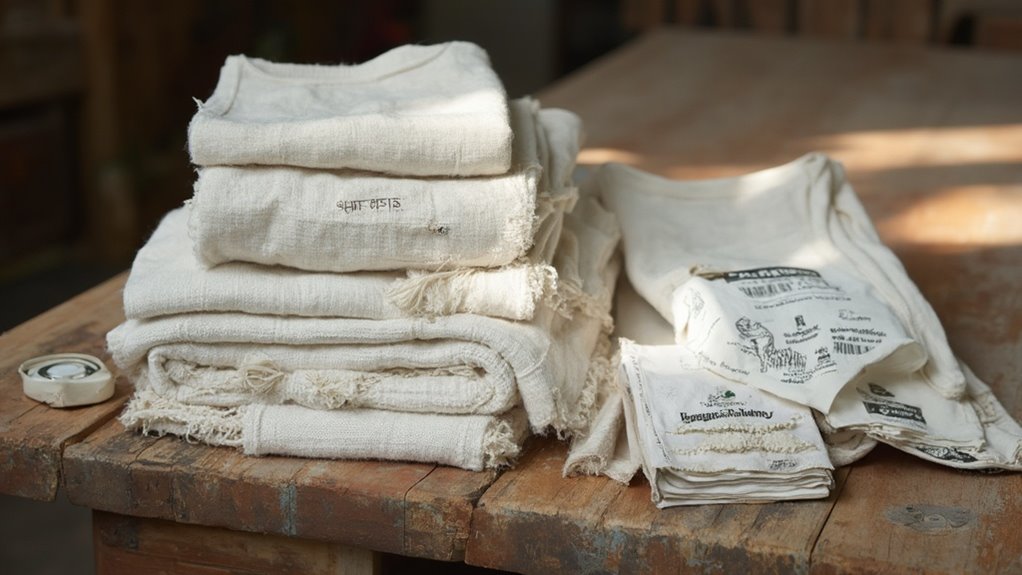
When you choose ethically certified fashion, you're supporting fair wages, safe working conditions and worker well-being throughout the global supply chain. Certifications like Fair Trade and SA8000 guarantee your clothes aren't made in sweatshops or through exploitative practices. You'll gain peace of mind knowing your purchases align with rigorous labour standards, whilst brands benefit from increased consumer trust and reduced supply chain risks. Discover how these certifications are reshaping the future of sustainable fashion.
Understanding Ethical Labor Standards in the Fashion Industry
Whilst the fashion industry has long grappled with labour ethics, understanding ethical labour standards requires examining multiple certification systems and workplace criteria.
One finds that reputable certifications assess factors like fair wages, safe working conditions, and freedom from forced labour.
When evaluating ethical sourcing practices, look for transparency in the supply chain and verification of labour rights compliance.
Key standards include protection against workplace discrimination, reasonable working hours, and the right to unionise.
One should familiarise oneself with certifications like Fair Trade, SA8000, and WRAP, which monitor these vital aspects of worker treatment.
These standards guarantee workers receive proper compensation and operate in environments that prioritise their wellbeing, helping to make informed choices about the fashion brands one supports.
Key Benefits of Fashion Labor Certifications
Although labour certifications require significant investment from fashion brands, they deliver substantial benefits across the entire supply chain.
When you choose certified garments, you're supporting sustainability initiatives that protect workers' rights, promote fair wages, and maintain safe working conditions. These certifications provide you with reliable verification that your clothes aren't made in sweatshops or through exploitative practices.
Labour certifications boost consumer awareness by creating transparency in fashion production. You'll find detailed information about where and how your garments are made, empowering you to make informed purchasing decisions.
For brands, these certifications build trust, enhance reputation, and create competitive advantages in a market where ethical considerations increasingly drive consumer choices. They also help reduce supply chain risks and strengthen relationships with responsible manufacturers.
Major Ethical Labor Certifications Worldwide
Several prominent labour certifications lead the global fashion industry's ethical standards.
Fair Trade Certified™ stands as one of the most recognised, ensuring workers receive fair wages and safe working conditions whilst promoting sustainable sourcing practices.
The Global Organic Textile Standard (GOTS) verifies both environmental and social criteria throughout the textile supply chain.
SA8000® certification focuses specifically on worker rights and workplace conditions, whilst WRAP (Worldwide Responsible Accredited Production) emphasises lawful manufacturing processes.
The Fair Wear Foundation partners with brands to improve labour conditions in garment factories.
Whilst shopping, look for these certification labels to support brands committed to ethical labour practices.
Each certification represents rigorous standards that protect workers' rights whilst promoting environmental responsibility in fashion manufacturing.
Impact on Worker Safety and Well-being
Ethical labour certifications have transformed workplace safety standards across the fashion industry. When supporting certified brands, one directly contributes to worker empowerment and enhanced safety regulations in factories worldwide.
| Safety Aspect | Worker Benefit | Impact |
|---|---|---|
| Fire Prevention | Emergency Training | Reduced Accidents |
| Air Quality | Respiratory Protection | Better Health |
| Equipment Safety | Proper Training | Fewer Injuries |
| Building Code | Structural Integrity | Safer Workspace |
Certified facilities maintain strict protocols for chemical handling, provide adequate ventilation, and guarantee proper machine maintenance. Workers receive extensive safety training, protective equipment, and access to health services. They are also empowered to report violations without fear of retaliation. These measures have markedly reduced workplace accidents and improved overall worker well-being in certified facilities.
Cost Considerations for Certified Fashion Production
Whilst implementing ethical labour certifications increases production costs, the long-term benefits often outweigh the initial investment. One finds that certified production typically adds 15-30% to manufacturing expenses, but these costs can be offset through strategic pricing strategies and improved brand value.
When conducting a cost benefit analysis, one discovers that ethical certifications lead to reduced worker turnover, increased productivity, and fewer workplace incidents – all of which contribute to long-term savings.
One is also protecting one's brand from potential scandals and boycotts related to labour violations. By incorporating certification costs into the pricing structure, organisations can maintain profitability whilst meeting growing consumer demand for ethically-produced fashion.
It's worth noting that today's customers are willing to pay more for garments they know were manufactured under fair conditions.
Supply Chain Transparency Through Certification
Certification programmes illuminate every step of the fashion supply chain, from raw material sourcing to final product delivery. When you choose certified fashion items, you gain access to detailed supply chain mapping that reveals where and how your clothes are manufactured. This transparency helps you make informed decisions about your purchases whilst supporting ethical manufacturing practices.
Certified brands must overcome significant transparency challenges to earn their credentials. They're required to document their relationships with suppliers, demonstrate fair labour practices, and provide evidence of responsible material sourcing.
This thorough documentation creates a clear path from fibre to finished garment, ensuring you can trust the ethical claims behind your clothing choices. Certification standards also encourage brands to maintain long-term partnerships with verified suppliers, strengthening accountability throughout the production process.
Consumer Trust and Brand Reputation
Building consumer trust is a direct outcome of supply chain transparency, and fashion brands with ethical certifications often experience enhanced reputation benefits.
When choosing certified ethical fashion, one supports brands that prioritise authenticity in their operations.
Consider these key reputation advantages of ethical certification:
- One develops stronger consumer loyalty by connecting with brands that share one's values and demonstrate genuine commitment to worker welfare.
- One can trust that preferred fashion brands aren't simply making empty promises, as certifications require rigorous third-party verification.
- One supports companies that prioritise long-term brand authenticity over short-term profits.
Environmental Connection to Labor Standards
Beyond the social impact of fair labour practices, ethical fashion certifications inherently promote environmental stewardship. When you support certified brands, you're endorsing companies that prioritise both labour rights and ecological responsibility.
These certifications often require manufacturers to implement sustainable practices like water conservation, chemical reduction and waste management.
You'll find that facilities meeting ethical labour standards typically maintain cleaner, safer workspaces that minimise environmental harm. They're more likely to utilise eco-friendly materials and processes that protect both workers and local ecosystems.
The connection between worker welfare and environmental protection is clear: factories that respect their employees usually extend that respect to the planet.
Implementing Certification in Fashion Business
When fashion businesses decide to pursue ethical certifications, they must undertake a thorough transformation of their supply chains.
One finds that implementing these standards requires careful supply chain optimisation and dedication to meeting rigorous requirements throughout the certification process.
To successfully implement ethical labour certifications, one needs to:
- Conduct extensive audits of current manufacturing partners and establish clear documentation of labour practices
- Invest in training programmes to guarantee all stakeholders understand and comply with certification standards
- Create transparent reporting systems that track worker conditions, wages, and safety measures across all production facilities
One discovers that whilst this transformation demands significant resources, it positions the brand as a leader in ethical fashion and builds lasting trust with conscientious consumers who value worker welfare.
Future of Ethical Labor Verification Systems
The evolution of ethical labour verification systems holds transformative potential for the fashion industry's future. One shall witness groundbreaking future technologies reshape how brands verify their supply chains, from blockchain tracking to AI-powered monitoring systems that detect labour violations in real-time.
| Technology | Benefits | Verification Challenges |
|---|---|---|
| Blockchain | Transparency | Data Integration |
| AI Monitoring | Real-time Detection | Algorithm Accuracy |
| IoT Sensors | Worker Safety | Privacy Concerns |
As these systems mature, one shall need to navigate complex verification challenges whilst maintaining worker privacy and data security. The key lies in balancing technological innovation with human oversight. By embracing these emerging verification tools, organisations are not just improving compliance – they are helping create a fashion industry where ethical labour practices become the standard, not the exception.
Frequently asked questions
How Long Does It Take to Complete an Ethical Labor Certification Process?
You'll typically need 6-12 months to complete your ethical labour certification timeline, though process efficiency varies. Your commitment to thorough audits, documentation, and implementing required changes will impact the duration considerably.
Can Small Fashion Brands Afford to Maintain Multiple Labor Certifications?
Managing multiple certifications proves quite challenging for one's small brand's budget. Begin with a single certification and conduct a proper cost analysis – it serves your brand perception far better to excel at one rather than struggle with several.
What Happens if a Certified Manufacturer Violates Labor Standards?
If your manufacturer violates standards, they'll face serious consequences. You'll see enforcement mechanisms kick in, including audits, fines, suspension of certification and public reporting – all designed to protect workers and maintain accountability.
Do Certified Garments Cost More to Produce Than Non-Certified Ones?
Certified garments cost more to produce due to fair wages and improved working conditions. However, clever pricing strategies can help manage these increases whilst supporting ethical manufacturing practices you value.
Which Countries Have the Highest Number of Ethically Certified Fashion Manufacturers?
The highest concentration of ethically certified fashion manufacturers exists in India, Bangladesh, and China. These nations are leading ethical manufacturing trends whilst increasingly adopting global certification standards for worker protection.