
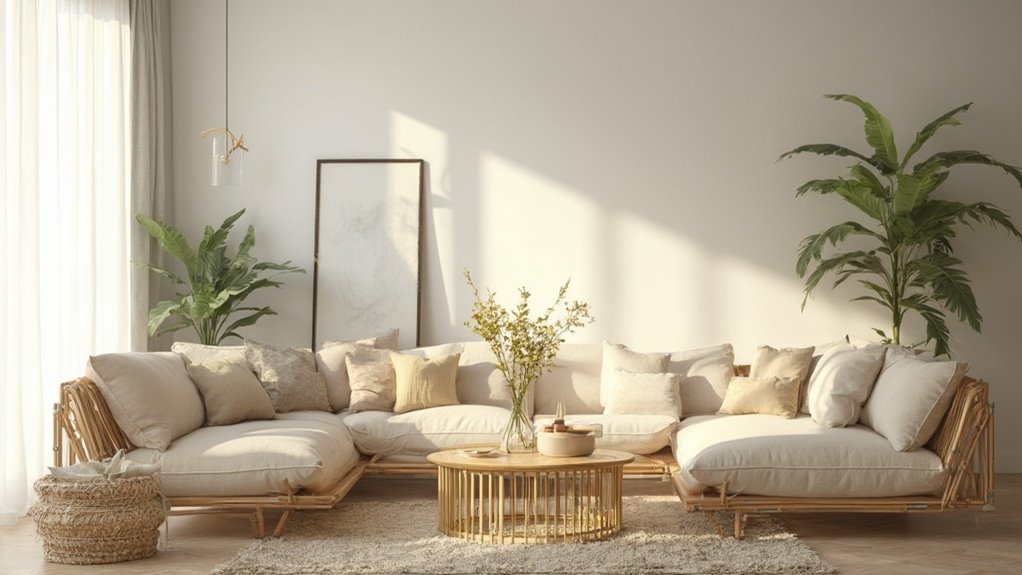
A streamlined living space extends beyond mere organisation—it's an ecological practice that mirrors nature's efficiency. You'll reduce your environmental footprint by mindfully evaluating each possession's purpose and impact. Begin with a room-by-room assessment, implementing sustainable sorting systems and daily micro-habits that prevent clutter accumulation. Like a well-maintained ecosystem, your space requires consistent attention through intentional consumption and regular releasing of excess. This holistic approach to decluttering opens the door to deeper insights about sustainable living.
Understanding the Connection Between Clutter and Environmental Impact
Whilst many view clutter as a personal organisational challenge, its environmental impact extends far beyond our homes. One finds that excess possessions directly contribute to increased resource consumption, manufacturing demands, and eventual waste in landfills.
These clutter consequences ripple through ecosystems, affecting wildlife habitats and natural resources. Your environmental footprint grows larger with each unnecessary purchase that becomes clutter.
When you accumulate items you don't need, you're participating in a cycle of production that requires raw materials, energy, and transportation – all of which strain Earth's finite resources.
Consider how your cluttered spaces reflect broader consumption patterns that impact climate change, pollution, and habitat destruction. By understanding this connection, you can make more conscious decisions about your possession management and consumption habits.
The Psychology Behind Mindful Decluttering
Since our emotional attachments to possessions often drive our accumulation habits, understanding the psychology of decluttering becomes essential for lasting change.
You'll discover that your belongings carry psychological weight, creating a cognitive load that affects your daily decision-making and mental clarity.
When you examine your relationship with material possessions, you'll notice patterns rooted in past experiences, personal values, and social conditioning.
Each item you keep represents more than its physical presence – it embodies memories, aspirations, or fears.
By recognising these emotional attachments, you can approach decluttering as a mindful practice rather than merely a physical task.
This awareness helps you make conscious choices about what truly deserves space in your life, fostering a deeper connection with your environment and personal wellbeing.
Assessing Your Space: Room-by-Room Decluttering Strategy
Before starting a thorough decluttering journey, you'll need a systematic approach to evaluate and organise each space in your home.
Begin your room evaluation by standing in the doorway of each space, observing how energy flows through the area and noting where clutter disrupts natural movement patterns.
Move through your home like water finding its path, starting with high-traffic areas such as your kitchen and living room. These spaces often accumulate the most daily items and require immediate attention.
Space optimisation involves examining each room's purpose and how well it serves that function. Consider the natural rhythm of your household – where do items tend to gather, and why?
Document these patterns in a notebook, creating a personalised map of your home's clutter hotspots. This awareness will guide your decluttering decisions and help maintain lasting order.
Creating a Sustainable Sorting System
A sustainable sorting system flows naturally from your initial room assessment, much like a river finding its most efficient course downstream.
You'll want to establish clear sorting categories that mirror nature's own organisational patterns: keep, donate, recycle, and release. Just as ecosystems maintain balance through natural cycles, your sorting process should create a harmonious flow.
Choose sustainable containers that align with your environmental values – repurposed baskets, biodegradable boxes, or existing storage solutions you already possess.
Place these containers strategically in your space, creating an intuitive workflow that's as natural as a forest's layered canopy.
You'll find that when your sorting system works in harmony with your daily patterns, maintaining order becomes as effortless as leaves falling in autumn.
Eco-Friendly Ways to Dispose of Unwanted Items
Whilst embracing a clutter-free lifestyle, you'll need thoughtful strategies for disposing of items that no longer serve your space. Your commitment to environmental stewardship can guide these decisions, ensuring your decluttering journey doesn't burden landfills unnecessarily.
Consider local donation options that align with your values – from women's refuges accepting professional attire to habitat restoration groups collecting building materials.
You'll find that many recycling programmes now accept items beyond traditional paper and plastic, including electronics, textiles, and even broken appliances.
For items that can't be donated or recycled, investigate creative upcycling opportunities within your community, such as artists who transform discarded materials or community gardens that repurpose containers.
Establishing Daily Habits for Clutter Prevention
Establishing lasting change requires three foundational habits that prevent clutter from returning to your newly simplified space.
First, establish a morning ritual of returning items to their designated homes before starting your day.
Second, practise the "one-in-one-out" rule, releasing an existing item when you bring something new into your space.
Third, implement a nightly reset routine where you spend 10 minutes tidying up before bed.
Habit tracking helps you maintain these practises until they become second nature.
Consider using a simple checklist or journal to monitor your daily rituals, marking each completed task like a gardener tends to growing seeds.
As you nurture these habits, you'll find your space naturally maintains its serenity, much like a well-tended ecosystem that sustains itself through balanced cycles.
Digital Decluttering for Modern Living
Just as physical clutter can overwhelm our living spaces, digital clutter floods our devices with unnecessary files, apps, and notifications that drain our mental energy. By embracing virtual minimalism, you'll create a more focused digital environment that mirrors nature's elegant simplicity.
| Digital Space | Impact | Action |
|---|---|---|
| Email Inbox | Mental Fog | Delete or Archive |
| Photo Gallery | Storage Strain | Sort and Categorise |
| Apps/Programmes | Energy Drain | Remove Unused |
Start your digital organisation journey by treating your devices like a delicate ecosystem. Unsubscribe from newsletters you don't read, delete duplicate photos, and remove unused programmes. You'll notice how your digital spaces begin to breathe, much like a freshly pruned garden. This intentional approach to managing your virtual environment creates a sustainable, clutter-free digital lifestyle that supports your wellbeing.
Mindful Consumption: Breaking the Cycle of Accumulation
The path to lasting decluttering begins with understanding our consumption patterns. Like a gardener who carefully selects which seeds to plant, you'll need to cultivate mindful habits around acquiring new possessions.
By observing your purchasing triggers and emotional responses to material goods, you can develop a deeper awareness of what truly serves your wellbeing.
Transform your relationship with consumption by making intentional purchases that align with your values and genuine needs. Consider each item's lifecycle, from production to eventual disposal, just as nature's cycles flow with purpose.
You'll find that mindful consumption isn't about deprivation but about creating space for what matters most. When you break free from the accumulation cycle, you're not just simplifying your space—you're nurturing a more sustainable and meaningful way of living.
Organizing With Purpose: the Art of Storage Solutions
Whilst nature designs efficient storage systems like honeycombs and burrows, your living space can mirror these ingenious patterns through purposeful organisation.
Just as bees maximise their storage aesthetics through hexagonal precision, you'll find harmony in modular solutions that adapt to your environment's natural flow.
Consider how a squirrel's cache reflects functional organisation at its finest – each nut and seed stored with intention and accessibility.
You can apply this wisdom by creating zones that align with your daily rhythms. Transform vertical spaces into living walls of utility, and embrace the negative space that allows your possessions to breathe.
Like the carefully structured layers of a bird's nest, each storage decision you make should support both form and function, creating a habitat that nurtures your essential needs whilst eliminating excess.
Maintaining Your Simplified Space Long-Term
Since natural ecosystems maintain their balance through continuous adaptation, your simplified living space requires similar ongoing attention. Just as forests regulate themselves through seasonal cycles, you'll need to establish sustainable habits that naturally limit accumulation and foster mindful consumption.
Long-term maintenance of your decluttered space mirrors the way a river maintains its course – through constant, gentle flow rather than sporadic floods. You'll find success by implementing daily micro-habits: returning items to their designated spaces, evaluating new acquisitions against genuine needs, and regularly releasing what no longer serves you.
Consider adopting a "one-in-one-out" approach, much like how nature maintains equilibrium. By treating your space as a living ecosystem that requires consistent care, you'll preserve its simplified state effortlessly.
Frequently asked questions
How Can I Declutter When Family Members Keep Bringing in New Items?
Start with family agreements to establish mindful purchasing habits. Create clever solutions like one-in-one-out rules, shared storage spaces, and regular decluttering sessions together. You'll nurture harmony whilst maintaining your peaceful, organised nest.
What Should I Do With Sentimental Items That Don't Serve Practical Purposes?
Keep cherished memories through photographs or digital scans, retaining only the most meaningful physical items. Find your emotional balance by selecting just a few treasured pieces that genuinely spark deep personal connections.
How Do I Organize Seasonal Items Without Taking up Permanent Storage Space?
Store seasonal items in vacuum-sealed bags and under-bed storage boxes whilst maximising space and maintaining efficient organisation. Keep winter items tucked away during summer months, and rotate them as the seasons change.
Can Decluttering Actually Save Me Money in the Long Run?
Yes, you'll experience significant decluttering savings when you stop buying duplicates, make mindful purchases, and sell unused items. The financial benefits blossom naturally as you cultivate a more intentional relationship with your possessions.
How Often Should I Reassess My Belongings to Maintain a Clutter-Free Space?
Monthly check-ins will benefit you to maintain harmony in your space, much as a garden needs regular tending. Conduct routine assessments with each season's change to ensure your belongings still serve your evolving needs.