
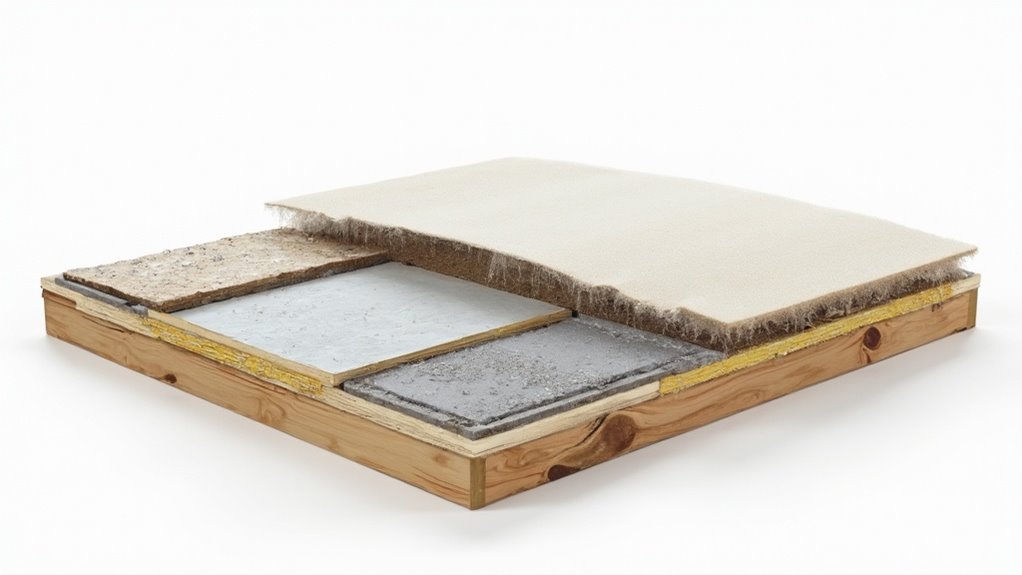
Modern insulated roofing systems can transform your home's energy efficiency with several top-performing options. Polyurethane foam creates a seamless, waterproof barrier that cuts energy costs by up to 50%. Reflective metal roofing naturally cools your space whilst lasting up to 50 years. Green roofs offer triple the insulation value of conventional systems whilst supporting local wildlife. For structures requiring maximum thermal protection, you'll discover each solution offers unique advantages for your specific requirements.
Understanding Insulated Roofing Systems
When considering insulated roofing systems, you'll discover they're engineered to create a thermal barrier between your home's interior and the outside environment.
These systems work by combining traditional roofing materials with specialised insulation layers that trap air and prevent heat transfer.
The primary insulated roofing benefits include significant energy savings during both winter and summer months.
In cold weather, they prevent valuable heat from escaping through your roof, whilst in summer, they block excess heat from penetrating your living space.
This enhanced energy efficiency translates to lower utility bills and a more comfortable home environment year-round.
Your insulated roof also acts as a protective shield against moisture infiltration and helps reduce outside noise.
It's a sensible investment that not only improves your home's comfort but also increases its overall value.
Polyurethane Foam Roofing Solutions
Spray polyurethane foam roofing stands as one of today's most versatile insulation solutions.
Whilst considering polyurethane advantages, you'll discover it's an environmentally-friendly choice that creates a seamless, waterproof barrier whilst providing superior thermal resistance.
The application methods involve spraying liquid foam directly onto your existing roof, where it expands and hardens to form a protective shield.
You'll appreciate these key benefits:
- Creates an airtight seal that prevents heat loss and moisture infiltration
- Conforms to any roof shape, eliminating the need for additional flashings
- Strengthens your building's structural integrity by adding minimal weight
- Reduces energy costs by up to 50% compared to traditional insulation
This sustainable solution doesn't just protect your home – it adapts to nature's challenges whilst maintaining ideal indoor comfort throughout the year.
Reflective Metal Roofing Materials
Another eco-conscious choice for climate-smart buildings, reflective metal roofing materials bring exceptional insulation properties whilst harnessing the sun's energy.
You'll find these innovative materials coated with specialised reflective coatings that bounce sunlight away from your home, dramatically reducing heat absorption and cooling costs.
When you opt for reflective metal roofing, you're investing in superior energy efficiency that can last up to 50 years.
The metal panels create a tight thermal envelope, preventing unwanted heat transfer during summer and keeping warmth inside during winter.
Your home stays naturally cooler, reducing the strain on your HVAC system.
These materials also resist weather damage, fire and pests, making them a smart long-term investment.
Green Roofing With Living Insulation
Living roofs transform ordinary buildings into thriving ecosystems whilst providing exceptional natural insulation. When you instal a green roof, you're creating a layered system of vegetation that works with nature to regulate your building's temperature year-round.
These living roofs offer remarkable biodiversity benefits, supporting local wildlife whilst reducing your energy costs.
Key advantages of green roof systems:
- Absorbs up to 80% of rainfall, reducing stormwater run-off
- Creates natural habitat for birds, butterflies, and beneficial insects
- Extends roof life by protecting membrane from UV damage and temperature fluctuations
- Provides superior insulation with R-values up to three times higher than conventional roofs
You'll find that living roofs not only insulate effectively but also contribute to urban biodiversity, making your building part of the solution to habitat loss and climate change.
Structural Insulated Panels (SIPs)
Structural Insulated Panels offer a revolutionary approach to roofing insulation by combining rigid foam cores with structural facings for maximum thermal efficiency.
These panels create a seamless thermal barrier that drastically reduces heat loss through your roof whilst providing exceptional structural strength.
Among the key SIP advantages are markedly lower energy bills and faster construction times compared to traditional roofing methods.
SIP installation requires fewer components and labour hours, as each panel arrives pre-fabricated to your specifications.
These panels create an airtight envelope that keeps your home cosy in winter and cool in summer.
When properly installed, SIPs can last for decades whilst maintaining their insulating properties, making them an environmentally conscious choice for sustainable roofing needs.
Cool Roof Coating Technologies
As solar radiation intensifies due to climate change, cool roof coating technologies have emerged as an innovative solution for temperature regulation and energy efficiency.
These specialised coatings can transform your existing roof into a heat-reflective shield, dramatically reducing your cooling costs and environmental impact.
Cool roof applications offer several distinct advantages:
- Reflect up to 85% of solar radiation, keeping your home naturally cooler
- Extend your roof's lifespan by protecting it from UV damage and thermal stress
- Lower indoor temperatures by up to 10 degrees Celsius during peak summer
- Reduce your carbon footprint whilst qualifying for energy efficiency tax incentives
These coatings come in various formulations, including elastomeric, acrylic, and silicone-based options.
The best results are achieved by choosing a coating that's specifically designed for your roof's material and local climate conditions.
Double-Layer Insulation Techniques
While cool roof coatings work from the exterior, double-layer insulation creates a powerful thermal barrier from within. By installing two distinct layers of insulation with staggered joints, you'll greatly reduce thermal bridging and enhance your roof's overall performance. This technique prevents heat from finding an easy path through your roofing system.
You'll discover impressive layered insulation benefits when you combine materials like rigid foam boards with fibrous insulation. The first layer fills gaps between rafters, whilst the second layer creates a continuous thermal blanket.
This dynamic duo doesn't just boost your R-value – it also helps prevent condensation and damp problems that often plague single-layer systems. As thermal bridging solutions go, double-layer techniques give you exceptional control over your home's temperature whilst reducing your energy costs year-round.
Energy Performance Ratings and Standards
Understanding energy performance ratings helps you make informed decisions about your roof's insulation system.
When evaluating insulation materials, you'll need to take into account several standardised measurements that indicate energy efficiency.
- R-value: The higher the number, the better your insulation resists heat flow, with most residential roofs requiring R-38 to R-60.
- U-factor: Measures how well your entire roof system conducts heat, with lower numbers indicating better performance.
- Energy Performance Certificate (EPC): Guarantees materials meet strict government efficiency guidelines.
- SAP Rating: Rates your home's overall energy performance compared to standard new construction.
These ratings aren't just numbers – they'll directly impact your comfort and energy bills.
Look for insulation materials that meet or exceed your local building regulations whilst taking into account your climate zone's specific requirements.
Cost-Benefit Analysis of Insulated Roofing
Before investing in insulated roofing, you'll need to weigh the initial costs against long-term savings. Your choice of insulation materials directly impacts both your upfront expenses and future energy savings. Whilst premium options like spray foam may cost more initially, they often deliver superior performance and durability.
| Material Type | Initial Cost | Annual Energy Savings |
|---|---|---|
| Spray Foam | High | £240-400 |
| Rigid Board | Moderate | £160-320 |
| Fiberglass | Low | £120-240 |
Consider your climate zone and local energy rates when calculating your return on investment. In colder regions, you'll recoup costs faster through reduced heating bills. Most homeowners recover their investment within 3-7 years through lower utility costs, increased property value, and enhanced comfort. Remember, quality installation matters as much as material selection for optimum performance.
Frequently asked questions
How Long Does Insulated Roofing Typically Last Before Needing Replacement?
Your insulated roof's lifespan typically ranges from 20-50 years, whilst the insulation longevity extends 20-30 years. You'll want to inspect both regularly, as climate conditions and installation quality affect their durability.
Can Insulated Roofing Be Installed Over Existing Roofing Materials?
You can install insulated roofing over existing materials, but it's not always ideal. Whilst you'll save on removal costs, proper installation benefits may be compromised. It's best to evaluate your current roofing's condition first.
Does Insulated Roofing Affect Indoor Air Quality?
Your home's air quality and thermal comfort will improve with insulated roofing. It prevents moisture build-up that could lead to mould, whilst maintaining consistent temperatures and reducing the need for excessive heating or cooling.
Are There Specific Maintenance Requirements for Insulated Roofing During Winter?
Regular removal of heavy snow build-up and monitoring for ice damming along the roof's edges is essential. Keep gutters clear and ensure proper ventilation to prevent moisture issues during winter's harsh conditions.
Do Local Building Codes Require Specific Insulation Ratings for Residential Roofs?
You'll need to check your local building regulations, as insulation standards vary by climate zone and jurisdiction. Most areas require minimum U-values for residential roofs to ensure your home's energy efficiency and comfort. In Britain, these requirements are typically outlined in the Building Regulations Approved Document L, which governs conservation of fuel and power in dwellings.