
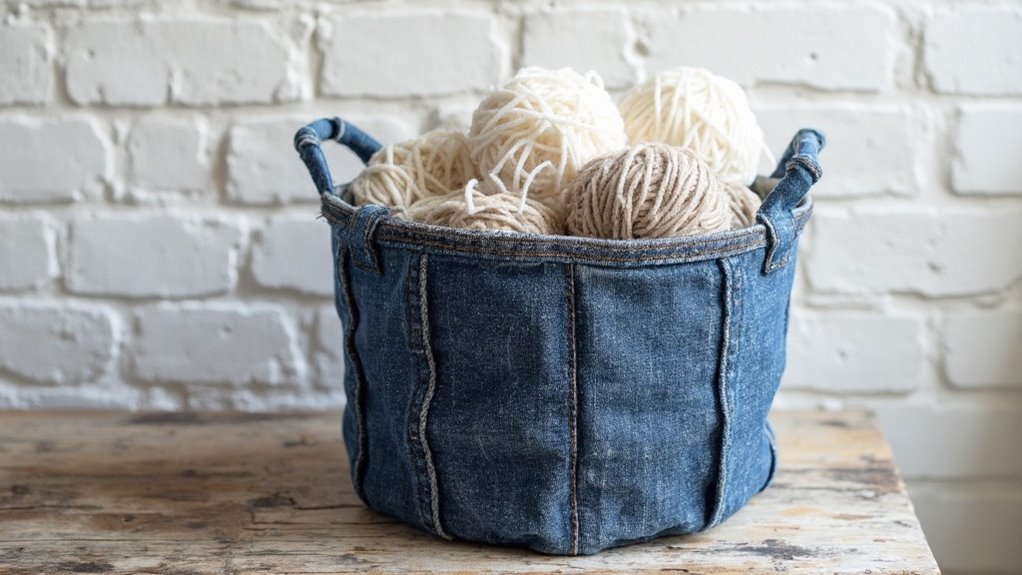
Old clothes can be transformed into valuable household items through simple DIY projects that reduce waste and save money. Convert cotton t-shirts into absorbent dishcloths, repurpose denim into durable oven mitts, or fashion plush bath mats from woven fabric strips. With basic tools like scissors, needles and thread, you'll turn unwanted garments into functional pieces for your kitchen, bathroom and garden. These sustainable transformations represent just the beginning of your upcycling journey.
Why Repurposing Clothes Matters
Whilst fast fashion continues to strain our environment and purses, repurposing old clothes offers a sustainable and economical alternative. When you transform your worn garments into new items, you're actively reducing textile waste and keeping valuable materials out of rubbish tips. This mindful approach supports sustainability benefits that extend beyond your home.
You'll discover that repurposing provides a significant creativity boost, allowing you to reimagine everyday items whilst developing practical DIY skills. By giving your old clothes new life, you're participating in a circular economy that minimises resource consumption.
Whether you're crafting cleaning cloths from old t-shirts or creating decorative cushion covers from vintage dresses, each project helps preserve natural resources. You're not just saving money; you're contributing to a more sustainable future through thoughtful consumption and waste reduction.
Essential Tools and Materials
A well-equipped workspace forms the foundation for successful clothing repurposing projects. You'll need to gather essential tools and understand basic sewing techniques before transforming your old garments into new treasures.
| Tool Category | Essential Items |
|---|---|
| Cutting Tools | Sharp scissors, rotary cutter, cutting mat |
| Sewing Items | Needles, pins, measuring tape, thread |
| Marking Tools | Fabric chalk, disappearing pen, ruler |
Before starting any project, familiarise yourself with different fabric types to determine the best approach. Cotton and linen are forgiving materials for beginners, whilst stretchy or delicate fabrics require more advanced skills. Keep your tools organised in a dedicated space, ensuring they're readily accessible when inspiration strikes. Remember to maintain your equipment – sharp scissors and clean needles make precise work possible.
Kitchen Projects Using Old Garments
Because kitchen activities often generate spills and messes, repurposed clothing can create practical and eco-friendly solutions for your culinary workspace.
Cotton t-shirts transform into absorbent dishcloth creations, perfect for wiping worktops and drying crockery. Simply cut them into uniform squares and reinforce the edges with a zigzag stitch to prevent fraying.
Transform your old button-down shirts into stylish pinny designs by removing the collar and sleeves, then adding ties at the neck and waist. You can enhance these pinnies with pockets from old jeans or cargo trousers, creating convenient storage for cooking utensils.
Consider using denim for heavy-duty oven gloves, as its thick fabric provides excellent heat protection when layered with insulating batting. These practical conversions extend your clothes' usefulness whilst reducing textile waste.
Bedroom and Bathroom Transformations
Since bedrooms and bathrooms require soft, absorbent textiles, old clothing can provide an abundant source of material for these spaces.
You'll find that worn-out garments can be transformed into stunning bedroom décor and practical bathroom storage solutions with minimal effort.
Transform your intimate spaces with these textile conversions:
- Create plush bath mats by weaving strips of old t-shirts into a durable base
- Fashion decorative cushion covers from vintage denim or patterned dress fabrics
- Design unique bathroom storage baskets by plaiting old jumper sleeves
- Craft a cosy bedroom throw by patching together woollen jumper squares
Consider the fabric's original properties when selecting pieces for your projects.
Cotton items work best for moisture-absorbing bathroom accessories, whilst heavier materials like wool and denim provide structure for bedroom décor items that need to maintain their shape.
Outdoor and Garden Applications
Whilst gardening and outdoor activities often require durable materials, repurposed clothing can provide robust solutions for various exterior projects.
You'll find that denim jeans, with their sturdy construction, make excellent garden planters when you sew the legs shut and fill them with soil. These unique containers add character to your outdoor space whilst providing proper drainage through the fabric's natural properties.
Don't overlook your old jumpers and t-shirts, which you can transform into weather-resistant outdoor cushions by treating them with waterproofing spray.
Layer multiple shirts together, add stuffing, and create comfortable seating for your garden furniture. You can also repurpose cotton clothing into protective wraps for delicate plants during frosty seasons, offering a sustainable alternative to commercial garden supplies.
Tips for Selecting and Preparing Clothes
Three essential factors determine whether a garment is suitable for repurposing: the fabric's condition, its material composition, and the size of useable sections.
When choosing fabrics, inspect each piece carefully for stains, tears, and wear patterns that might affect your project's outcome.
Before beginning any repurposing project, proper cleaning techniques are vital.
You'll want to:
- Remove all buttons, zips, and embellishments
- Wash fabrics according to their care labels, using appropriate water temperatures
- Treat any remaining stains with suitable spot cleaners
- Press the fabric whilst slightly damp to remove creases
Natural fibres like cotton, wool, and linen typically work best for most projects, as they're easier to work with and maintain their shape.
Consider the weight and drape of the fabric to ascertain it matches your intended purpose.
Frequently asked questions
Can I Repurpose Clothes With Permanent Stains or Discoloration?
You can absolutely transform stained garments, bypassing stain removal altogether. Your fabric creativity isn't limited by discolouration – simply turn affected areas into design features or position them strategically whilst crafting new items.
How Long Does a Typical Clothing Repurposing Project Take to Complete?
Project duration varies greatly, from 30 minutes to several hours depending upon one's time management skills. Simple projects like cushion covers take 1-2 hours, whilst intricate quilts require multiple sessions.
Are Repurposed Clothing Items Safe to Use Around Young Children?
Safety guidelines must be followed when creating items for children. Ensure you're using child-friendly materials, removing buttons, zips, and loose threads. Always give fabrics a thorough wash before repurposing them for little ones.
What Skills Do I Need to Start Repurposing Clothes?
Basic sewing techniques such as hand-stitching and machine operation are essential, along with knowledge of fabric selection and properties. Begin with straightforward projects to build your confidence before tackling more complex transformations.
Should Clothes Be Sanitized Before Repurposing Them for Household Use?
Whilst sanitising your garments is essential for safety, proper methods should be utilised. Apply suitable sanitisation techniques such as hot washing, vinegar soaks, or steam cleaning to eliminate bacteria whilst maintaining fabric integrity before transforming them into household items.